
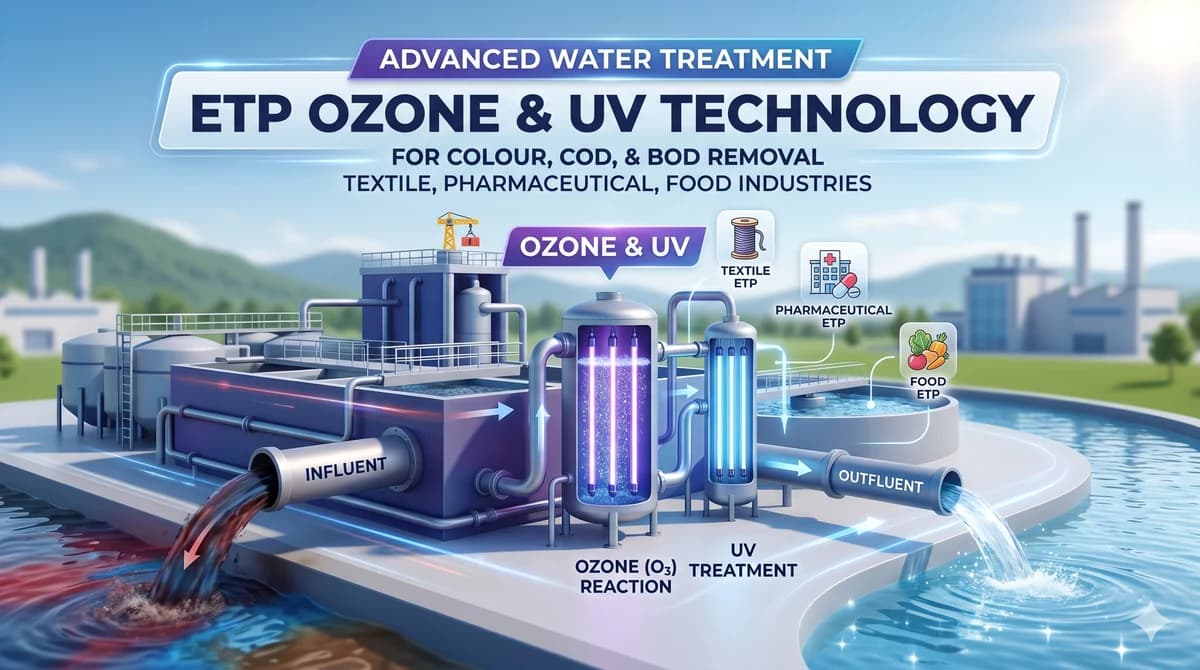
Ozone Generator in Effluent Treatment Plant (ETP)
Advanced ozone oxidation for colour removal, COD reduction, and CETP compliance in industrial ETPs
THE NEED
Why ETP?
30,000+
industrial units with ETP mandate in India
95%
colour removal with ozone in textile ETP
60%
COD reduction achievable with ozone
₹50L
CPCB penalty per day for non-compliance
80%
water reuse possible after ozone treatment
3-5 mg/L
ozone dose for typical industrial effluent
OVERVIEW
What is ETP?
India's industrial effluent challenge is quantified starkly in CPCB enforcement data: over 30,000 industrial units hold Consent to Operate with mandatory ETP requirements under the Water Act 1974 and Environment Protection Act 1986, yet CPCB's 2021 audit found more than 40% discharging non-compliant effluent to waterbodies. The NGT enforcement regime — with penalties reaching ₹50 lakh per day for serious violations and closure directions that courts routinely uphold — has created urgent demand for advanced treatment technologies capable of achieving CPCB General Standards and industry-specific standards that conventional biological ETPs cannot meet alone. The ozone generator in ETP advanced oxidation process (AOP) has become the technology of first resort for recalcitrant pollutant removal in textile, pharmaceutical, chemical, food processing, and tannery industries across India.
The fundamental problem in industrial ETP treatment is recalcitrant organic compounds — molecules whose molecular architecture makes them resistant to microbial degradation. Textile reactive dyes (including Reactive Blue 49, Reactive Red 195, and Reactive Black 5) contain heterocyclic aromatic rings, azo linkages (-N=N-), and sulfonated chromophores specifically engineered for molecular stability — properties that also render them biologically inert. Wentworth et al. (2001), in their Journal of Hazardous Materials review of treatment technologies for recalcitrant textile wastewater, concluded that biological treatment achieves only 20–35% decolourisation of reactive dye effluent, while the ozone generator in ETP advanced oxidation achieves 85–95% decolourisation in a single-pass treatment. Similarly, pharmaceutical active pharmaceutical ingredients (APIs) — fluoroquinolones, sulfonamides, penicillins, macrolides — designed to resist human digestive degradation equally resist conventional biological ETP treatment, appearing in river water downstream of pharmaceutical clusters at concentrations of 0.1–100 μg/L.
Colour is the most visible compliance parameter in industrial ETP discharge, triggering immediate public complaints and media attention when coloured effluent reaches rivers. CPCB General Standards specify colour as 'not visually discernible at a point of discharge beyond 100 metres in the river' — a standard impossible to express as a single numerical value, but GPCB (Gujarat), MPCB (Maharashtra), and TNPCB (Tamil Nadu) have operationally implemented limits of ADMI <100 or Pt-Co <100 for textile ETP discharge. At Surat's GIDC Sachin, Ichalkaranji, and Bhilwara textile clusters — India's three largest synthetic textile and dyeing centres — routine SPCB surveys find discharge colour at ADMI 500–3000, creating visible plumes in receiving drainage channels visible from 2 kilometres distance. The ozone generator in ETP colour removal process, achieving >90% ADMI reduction at 4–6 mg/L dose, is the only technology that can bring these highly coloured discharges within SPCB visual standard compliance in a single treatment stage.
Beyond colour, pharmaceutical ETPs face an escalating API residue challenge as India's pharmaceutical export industry grows and importing regulatory bodies (USFDA, EMA, Health Canada) intensify scrutiny of manufacturing sites' environmental compliance. Draft guidelines from CPCB (2021) and CGWB propose pharmaceutical ETP effluent limits for specific APIs and total dissolved organics from pharmaceutical manufacturing effluent. The ozone generator in ETP pharmaceutical applications has been demonstrated in multiple peer-reviewed studies to reduce ciprofloxacin from 5,000 μg/L to below 10 μg/L (99.8% removal) at a dose of 10 mg/L, and to reduce antibiotic resistance gene (ARG) abundance in ETP effluent by 2–3 orders of magnitude — a critical environmental benefit as antibiotic resistance is classified as a global health emergency by WHO. OZ India Technology serves pharmaceutical ETP clients in Baddi, Hyderabad, Aurangabad, and Ahmedabad pharmaceutical clusters.
The chemical ETP segment — encompassing pesticide manufacturers, specialty chemical producers, phenol/formaldehyde plants, and printing ink manufacturers — requires ozone for destruction of specific toxic compounds regulated under CPCB General Standards: phenols (<1 mg/L), cyanide (<0.2 mg/L for inland discharge), and pesticide residues. For phenol removal, the ozone generator in ETP achieves >95% phenol oxidation at 3–5 mg/L ozone dose — converting phenol to maleic acid and oxalic acid before ultimate mineralisation to CO₂. For cyanide-containing plating effluent, ozone at 5–8 mg/L oxidises free cyanide (CN⁻) to cyanate (CNO⁻) and ultimately to CO₂ and N₂ — meeting CPCB's 0.2 mg/L inland discharge standard. AWWA (2000) Water Quality and Treatment comprehensively documents these oxidation reactions and rate constants — forming the design basis for OZ India pharmaceutical and chemical ETP ozone systems.
THE SCIENCE
How Ozone & UV Work in ETP
The ozone generator in ETP operates in the advanced oxidation process (AOP) mode, where ozone's direct oxidation pathway (E° = 2.07V) and its catalytic decomposition to hydroxyl radicals (•OH, E° = 2.80V) combine to achieve pollutant destruction beyond what either mechanism alone can accomplish. Von Gunten (2003) in Water Research established the rate constants for ozone reaction with specific pollutant classes: azo dye chromophores react with O₃ with k = 10²–10⁵ M⁻¹s⁻¹; phenol reacts with k = 10³ M⁻¹s⁻¹; and pharmaceuticals including ciprofloxacin react at k = 6.7 × 10⁵ M⁻¹s⁻¹. For pollutants with low direct ozone rate constants (chlorinated compounds, NDMA precursors), the •OH pathway dominates, reacting at near-diffusion-controlled rates of 10⁸–10¹⁰ M⁻¹s⁻¹. The ozone generator in ETP design exploits both pathways simultaneously by operating at neutral to slightly alkaline pH (7.5–9.0) that promotes •OH generation while maintaining direct O₃ reactivity.
Ozone gas from the OZ India generator enters the ETP effluent stream through a PVDF Venturi injector, creating a negative pressure zone that draws ozone into high-velocity water turbulence — achieving 85–92% ozone transfer efficiency in a single injector stage. For larger ETP flows (above 200 m³/hr), OZ India uses multiple Venturi injectors in parallel or a static mixer followed by a pressurised reaction pipe, maintaining the required ozone mass transfer without a deep contact column. The ozone-water mixture enters the reaction tank — typically 15–30 minutes HRT in a baffled concrete or FRP reactor — where both direct ozone and •OH reactions occur. The OZ India dissolved ozone monitor at the reactor outlet provides real-time measurement of residual dissolved ozone, confirming that sufficient ozone was transferred and that the required dose was applied throughout the contact period.
Textile ETP colour removal by the ozone generator in ETP proceeds through a well-characterised molecular mechanism. Reactive dyes contain chromophore groups — primarily azo (-N=N-) linkages and anthraquinone quinone groups — that absorb visible light and impart colour to the dye molecule. Ozone attacks these chromophore groups through electrophilic addition across the C=C and N=N double bonds, cleaving the bonds and fragmenting the large dye molecule into smaller organic acid molecules (maleic acid, oxalic acid, formic acid) that have lost their visible light absorption — resulting in rapid colour loss. The decolourisation reaction is fast: 90% ADMI reduction occurs within the first 5 minutes of ozone contact, making HRT of 15–20 minutes in the reaction tank more than adequate. At pH 9–10 (achieved by NaOH dosing), the •OH pathway is enhanced, providing additional destruction of smaller organic fragments and improving overall COD removal.
pH adjustment is a critical design parameter for the ozone generator in ETP textile and pharmaceutical applications that OZ India engineers optimise for each client's effluent. At pH 7–8, the direct ozone pathway predominates — effective for unsaturated chromophores and aromatic rings but slower on saturated aliphatic compounds. At pH 9–10 (intermediate ozonation), •OH generation increases 10-fold, dramatically improving destruction of resistant fragments. For textile ETP colour removal, OZ India designs a pH correction stage (NaOH dosing to pH 9–10) upstream of the ozone contact reactor, achieving >95% ADMI reduction versus 85–88% at neutral pH with the same ozone dose. Post-treatment pH correction (CO₂ or HCl dosing back to pH 7–8) ensures discharge compliance with CPCB pH standard of 5.5–9.0.
Off-gas management is a safety and regulatory requirement that every ozone generator in ETP installation must address. The ozone contact reactor off-gas contains unreacted ozone at concentrations of 0.5–2% (5,000–20,000 ppm), far above OSHA's 0.1 ppm TWA limit. OZ India supplies a catalytic ozone destructor — a MnO₂/Al₂O₃ catalyst bed heated to 40–60°C — as standard with every ETP ozone system. The destructor converts excess O₃ to O₂ (2O₃ → 3O₂) at >99% efficiency, reducing the reactor off-gas ozone concentration to below 0.1 ppm before atmospheric venting. The ozone ambient air monitor installed in the operator area confirms continuously that ambient ozone levels remain below OSHA PEL, providing both safety assurance and regulatory documentation. Destructor catalyst replacement (annually) is included in OZ India Annual Maintenance Contracts.
Combination AOP with hydrogen peroxide (H₂O₂) injection is available from OZ India for ETP applications where ozone alone cannot achieve the target removal — typically pharmaceutical ETPs with complex multi-API effluent or chemical ETPs with high-concentration chlorinated compound loads. The ozone + H₂O₂ AOP accelerates •OH generation: H₂O₂ acts as an ozone initiator, yielding two •OH radicals per molecule of H₂O₂ reacted. At an O₃:H₂O₂ mass ratio of 2:1 (optimal), •OH concentration increases 3–5 fold compared to ozone alone, reducing the required ozone dose by 30–40% while achieving equivalent or better pollutant removal. OZ India's ozone generator in ETP AOP systems include H₂O₂ dosing pumps, metering control, and combined dissolved ozone/H₂O₂ residual monitoring.
THE SOLUTION
Ozone India Technology Solution
OZ India Technology's ozone generator in ETP portfolio covers all industrial sectors and all capacity requirements from 50 m³/day to 10 MLD. Textile ETP systems are designed specifically for colour removal: intermediate pH correction (NaOH to pH 9–10), ozone dose 4–6 mg/L, 20-minute HRT, post-treatment neutralisation. OZ India guarantees >90% ADMI reduction from typical textile ETP secondary effluent (reactive dye, ADMI 500–1500) to below SPCB colour standards. Pharmaceutical ETP systems use extended HRT (30–45 minutes) at 8–10 mg/L ozone dose for complete API mineralisation — documented by pre- and post-treatment HPLC analysis at NABL-accredited laboratories. Chemical ETP systems are custom-designed for the specific compound profile (phenol, cyanide, aldehyde, pesticide) with dose and HRT determined from bench-scale treatability testing conducted by OZ India before system sizing.
The standard OZ India ETP ozone package is a complete skid-mounted system: CE-certified ozone generator (10 g/hr to 350 g/hr), PSA oxygen generator (for systems above 25 g/hr) or air preparation unit, PVDF Venturi injector with SS304 housings, PVDF non-return valve, PVDF ozone distribution piping, dissolved ozone monitor with 4–20 mA output and automatic dose control, catalytic off-gas destructor, and ozone ambient air safety monitor. All wetted components are PVDF or 316L stainless steel — fully resistant to ozone at operating concentrations and to the industrial ETP chemicals (acids, alkalis, oxidising agents) present in effluent. Factory acceptance testing at OZ India's Greater Noida facility confirms ozone output, transfer efficiency, and control system performance before dispatch.
Process guarantee: OZ India provides performance guarantees for ozone generator in ETP systems based on the influent characterisation data supplied by the client. Standard guarantees: >90% ADMI colour reduction for textile ETP (from ADMI >500 to <50), >70% COD reduction for food processing ETP, API reduction to below analytical detection limits for pharmaceutical ETP, and phenol reduction to <1 mg/L for chemical ETP — all measured at the specified ozone dose and contact time. If effluent quality targets are not achieved during commissioning using actual plant effluent, OZ India adjusts ozone dose, HRT, or pH control at no additional cost, within 90 days of commissioning.
OZ India's ETP ozone project delivery methodology: detailed site survey and effluent sampling (Day 1); bench-scale treatability testing at OZ India's laboratory using actual client effluent (1–2 weeks, for complex effluents); detailed design including P&ID, equipment layout, civil drawings, electrical load list (1 week); supply of tested equipment (4–6 weeks lead time); installation supervision by OZ India certified engineers; performance commissioning with NABL laboratory compliance testing; 2-day operator training; 1-year comprehensive warranty. Annual Maintenance Contracts available with 4 preventive visits, 48-hour emergency response, and all consumables — including ozone electrodes, sensor membranes, destructor catalyst — ensuring continuous CPCB compliance documentation over the system's 10+ year operating life.
PERFORMANCE
Without vs With OZ India Treatment
| Parameter | Without Treatment | With OZ India System |
|---|---|---|
| Colour (ADMI units) | 500–2,000 (post-biological) | <80 — SPCB compliant after ozone |
| COD removal (%) | 40–50% (biological limit) | 70–85% combined with ozone |
| Pharmaceutical APIs | Present at μg/L–mg/L (not removed biologically) | Below detection limits at 10 mg/L O₃ |
| Phenol (mg/L) | 5–50 (CPCB limit: <1) | <0.5 — compliant at 4–5 mg/L O₃ |
| Effluent toxicity (Microtox) | High — EC₅₀ <10% | Non-toxic — EC₅₀ >75% |
| Chemical hazards on site | Chlorine or KMnO₄ storage required | None — ozone generated from air/O₂ |
| Additional sludge generation | Chemical sludge from coagulant oxidation | Zero — no sludge addition |
| Odour at ETP boundary | Strong industrial effluent odour | Odour-free post-ozone treatment |
PERFORMANCE DATA
Technical Performance Data
Reference data for ozone treatment system design and validation — applicable to ETP applications. All data per standard water treatment engineering practice (AWWA, WHO, CPCB guidelines).
Pathogen Log Inactivation at 3 mg/L Ozone (CT = 45 mg·min/L)
BOD Reduction (%) vs Ozone Dose — Typical STP/ETP Secondary Effluent
E. coli Log Inactivation vs Contact Time at 3 mg/L Ozone
System Sizing Guide — Plant Flow Rate vs Ozone Generator Capacity
RECOMMENDED EQUIPMENT
Products for ETP
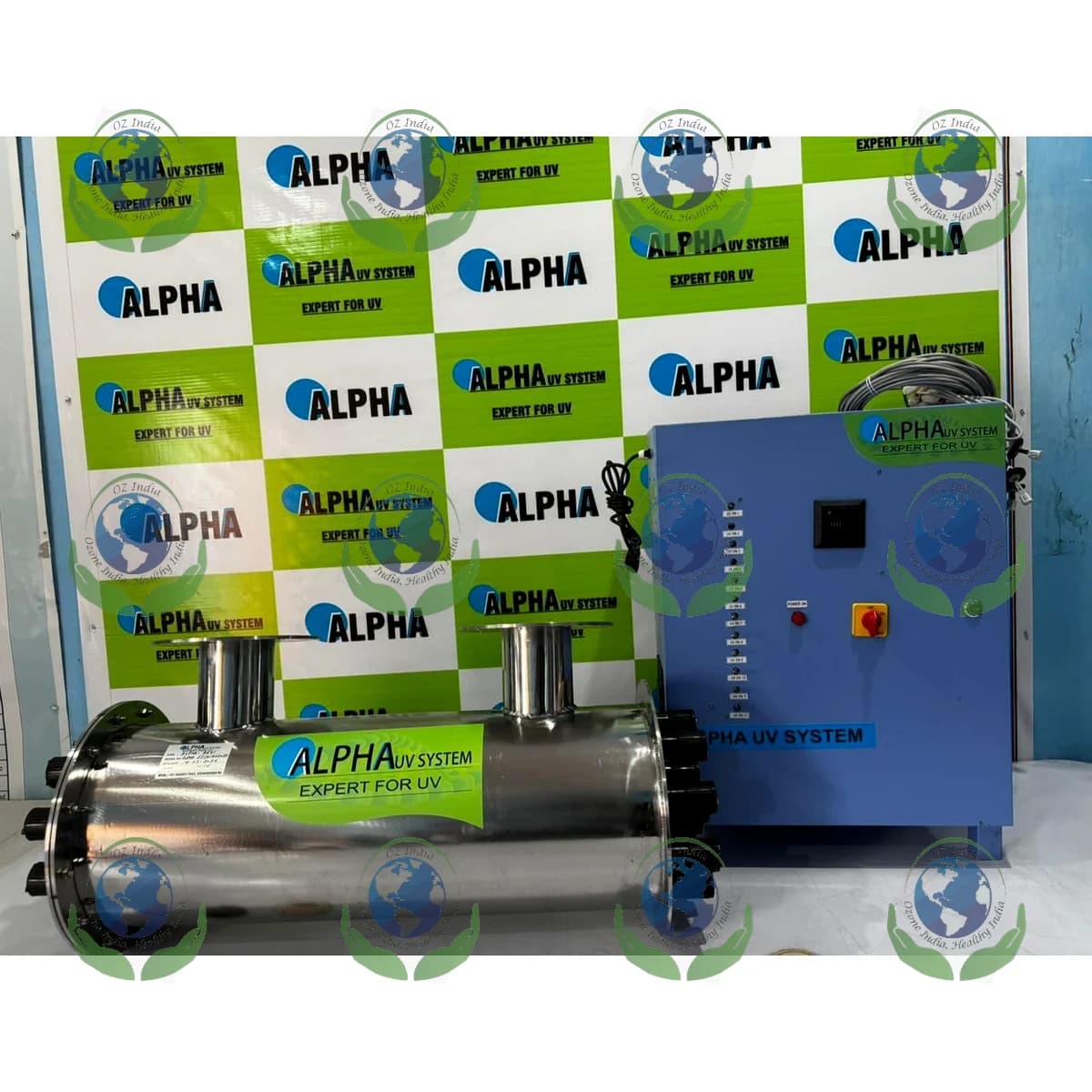
UV Wastewater Reuse Series — STP & ETP
UV disinfection for STP and ETP treated effluent reuse — CPCB tertiary discharge norms compliant
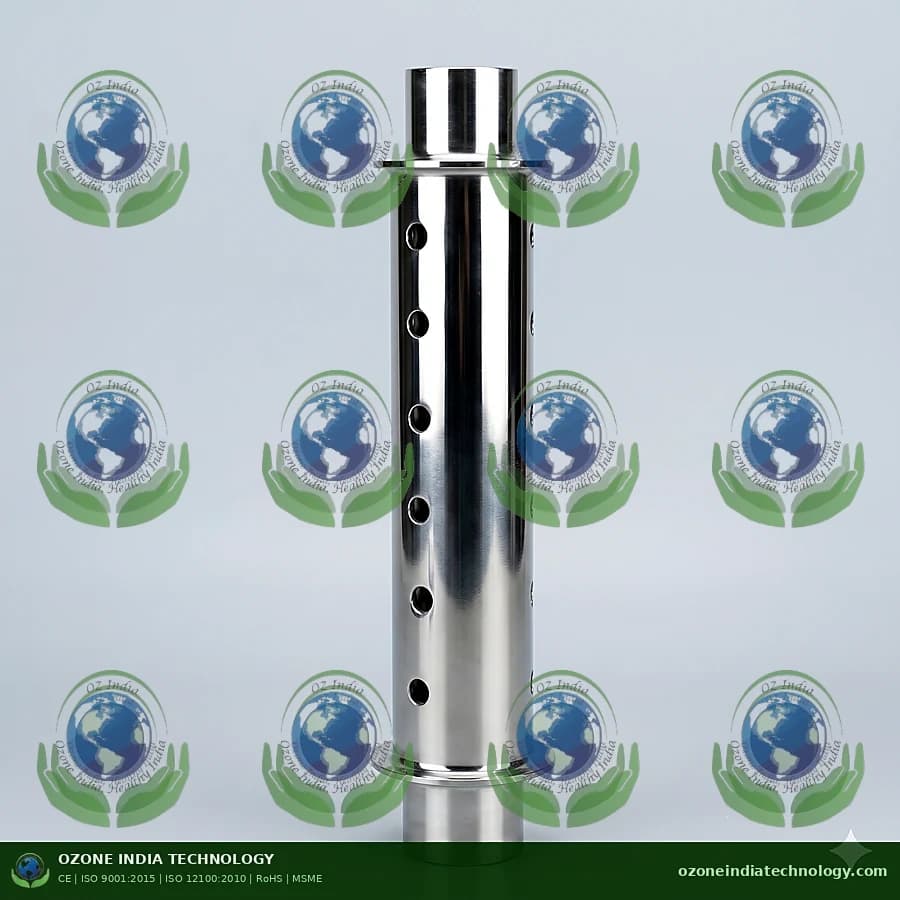
Ozone Static Mixer
SS316L inline ozone static mixer for thorough ozone-water mixing achieving 95 percent dissolution efficiency
SIZING GUIDE
Installation & Sizing Guide
Sizing the ozone generator in ETP begins with an effluent characterisation report covering: flow (m³/day), COD (mg/L), BOD (mg/L), colour (ADMI or Pt-Co), TSS (mg/L), pH, turbidity (NTU), and for pharmaceutical ETPs — specific API compound names and concentrations, and for chemical ETPs — specific compound identity and concentration. The specific ozone dose (g O₃ per g COD removed, or mg O₃ per ADMI unit) depends on effluent type: food processing effluent requires 0.5–1.0 g O₃/g COD; textile reactive dye effluent requires 2.0–4.0 mg O₃/ADMI unit for colour removal; pharmaceutical API effluent requires 5–10 mg/L total ozone dose for API mineralisation. The required ozone generator capacity (g/hr) = ETP peak flow (m³/hr) × total ozone dose (mg/L) × 1.3 (safety factor).
A worked example for a 300 m³/day textile dyeing ETP in Surat: secondary effluent colour = 1,000 ADMI, target = 80 ADMI (92% removal). Specific ozone dose = 3.5 mg O₃/ADMI unit. Total ozone dose = (1,000 − 80) ADMI × 3.5 = 3,220 mg O₃/m³ = 3.22 g/m³. ETP flow = 300/20 operating hours = 15 m³/hr. Ozone generator capacity = 15 × 3.22 × 1.3 = 62.8 g/hr → select OZ India 30–50 g/hr system with 93% O₂ oxygen generator (two units in parallel, or one 75 g/hr unit). Contact chamber volume at 20-minute HRT = 15 × 0.33 = 5 m³. This compact reactor can be constructed as a 2 m × 1.5 m × 2 m FRP tank in the existing ETP plot area — no significant civil expenditure required.
Upstream pre-treatment before the ozone generator in ETP is critical for optimum performance. High suspended solids (>50 mg/L TSS) shield dissolved organic compounds and bacteria from ozone attack, increasing ozone demand and reducing colour removal efficiency. OZ India recommends achieving TSS <30 mg/L and turbidity <5 NTU in the ozone contact feed through a lamella clarifier or sand/multimedia filter upstream of the ozone contactor. For textile ETPs, pH adjustment to 9.0–10.0 (NaOH dosing) upstream of the ozone contactor is standard — increasing the hydroxyl radical pathway and improving colour removal by 5–10 percentage points at the same ozone dose. These upstream requirements are captured in OZ India's P&ID and detailed engineering package, ensuring clients can plan civil modifications before equipment delivery.
Operating cost comparison: an air-fed ozone generator in ETP at 50 g/hr consumes 50 × 15 kWh/kg ÷ 1000 = 0.75 kWh/hr = 18 kWh/day at ₹7/kWh = ₹126/day electricity. An oxygen-fed 50 g/hr system consumes 50 × 8 kWh/kg ÷ 1000 = 0.4 kWh/hr = 9.6 kWh/day = ₹67/day electricity, plus PSA oxygen generator power consumption of approximately ₹30/day — total ₹97/day, a 23% saving versus air-fed. Consumable costs for both: ozone electrodes (₹2,000–3,000/electrode, typically 2–4 per generator), replaced every 2–3 years; dissolved ozone sensor membrane (₹800–1,200 per set, quarterly); destructor catalyst (₹5,000–8,000/kg, annually). OZ India provides a full operating cost analysis with each project proposal.
CASE STUDY
Pharmaceutical API Removal from ETP Discharge — Baddi, Himachal Pradesh
A formulation and API manufacturing unit in Baddi's pharmaceutical industrial area was discharging secondary ETP effluent containing ciprofloxacin (380 μg/L), amoxicillin (220 μg/L), and metformin (1,800 μg/L) — far above the anticipated CPCB draft pharmaceutical ETP limits and flagged during a USFDA environmental compliance inspection of the manufacturing site. The ETP biological treatment was achieving BOD and COD compliance but had no capability against API removal.
OZ India Technology conducted a bench-scale treatability study using 20 L of actual ETP secondary effluent: ozone at 10 mg/L dose with 30-minute contact time achieved ciprofloxacin <0.5 μg/L (99.9% removal), amoxicillin below detection limit, and metformin <50 μg/L (97.2% removal). Total COD reduced from 280 mg/L to 74 mg/L (74% reduction). Based on this data, a 25 g/hr ozone generator in ETP configuration was designed and supplied: oxygen-fed generator, Venturi injector, 10 m³ baffled HDPE contact reactor at pH 8.5, dissolved ozone monitor, and off-gas destructor.
Post-commissioning HPLC analysis by a NABL-accredited laboratory confirmed: all three APIs below detection limits; COD 68 mg/L (CPCB standard: 250 mg/L); BOD 12 mg/L (CPCB standard: 30 mg/L). The USFDA environmental compliance audit conducted 6 months post-installation raised zero observations on ETP performance. The ozone generator in ETP operating cost is ₹380/day electricity — representing 0.08% of the facility's daily production revenue, making it the lowest-cost compliance measure implemented at the site.
FAQ
Frequently Asked Questions
What percentage of textile dye colour can ozone remove from ETP effluent?+
Ozone achieves 90–95% colour removal from reactive, acid, and disperse dye textile ETP effluent, reducing ADMI from 500–2,000 to below 80 — meeting GPCB, MPCB, and TNPCB colour discharge standards. At intermediate pH 9–10, the hydroxyl radical pathway is enhanced, improving decolourisation to 95–98% at the same ozone dose. OZ India ozone generator in ETP systems consistently demonstrate >90% ADMI reduction in commissioning tests — documented by the client's laboratory before handover.
How effective is an ozone generator in ETP for pharmaceutical API removal?+
Ozone at 8–12 mg/L dose with 30-minute contact time reduces pharmaceutical API concentrations by 99%+ for most commonly manufactured APIs: fluoroquinolones, penicillins, sulfonamides, macrolides, and steroid hormones. Metformin and certain other polar compounds require higher doses (12–15 mg/L) or H₂O₂ augmentation (ozone-AOP). OZ India conducts bench-scale treatability testing using the client's actual ETP effluent before sizing the full-scale ozone generator in ETP — guaranteeing performance based on measured kinetic data from the specific effluent.
Does the ozone generator in ETP create any new toxic compounds?+
For textile and industrial ETPs, ozone oxidation products are typically small organic acids (oxalic acid, maleic acid, formic acid) and CO₂ — non-toxic compounds that are readily biodegradable. Ozone does not form halogenated compounds (unlike chlorination). For ETP effluent containing bromide above 100 mg/L (unusual in most industrial ETPs), bromate formation is possible and should be evaluated by OZ India engineers during design. Overall, the ecotoxicity of ozone-treated ETP effluent is consistently lower than untreated effluent — documented in Microtox bioassay testing at textile ETP installations.
What is the capital and operating cost of an ozone generator in ETP?+
Capital cost: ₹8–15 lakh for a 10–25 g/hr system (air-fed, for ETP up to 100 m³/day); ₹20–40 lakh for 30–50 g/hr with oxygen generator (ETP 100–500 m³/day); ₹60–120 lakh for 75–350 g/hr systems (ETP 500–5,000 m³/day). Operating cost is primarily electricity: ₹100–500/day for systems treating 50–500 m³/day. Against CPCB/SPCB non-compliance penalties of ₹5,000–50,000/day and closure risk, ozone generator in ETP investment consistently delivers payback within 6–18 months through penalty avoidance alone.
Can the ozone system treat ETP effluent with very high COD (above 5,000 mg/L)?+
High COD above 2,000 mg/L dramatically increases ozone demand and makes ozone-alone treatment expensive. For high-strength industrial effluent (COD >2,000 mg/L), OZ India recommends ozone as a polishing step after biological treatment (which reduces COD to <500 mg/L) rather than as a primary treatment. Alternatively, ozone can be applied as a pre-treatment to break down recalcitrant compounds that inhibit biological treatment — improving biological biodegradability (BOD/COD ratio from 0.1 to 0.4+) at a low ozone dose of 2–3 mg/L before the biological stage.
Is an ozone generator in ETP suitable for CETP (Common Effluent Treatment Plant) applications?+
Yes — ozone is particularly well-suited to CETP applications because mixed industrial effluent from multiple units often contains a complex mix of recalcitrant compounds (dyes + APIs + chemical residues) that no single biological treatment can address. OZ India has designed CETP ozone systems in Gujarat's textile CETP clusters at doses of 3–6 mg/L and 20-minute HRT — achieving combined colour, COD, and pathogen compliance from mixed industrial effluent that individual unit ETPs cannot achieve. CETP ozone systems at large flows benefit most from the economy of scale and oxygen-fed generation.
How long does installation of an ozone generator in ETP take?+
Typical installation timeline for an OZ India ETP ozone system: equipment delivery 4–6 weeks from purchase order; mechanical installation (skid positioning, pipe connections, instrument wiring) 3–5 days for systems up to 50 g/hr, 5–10 days for larger systems; commissioning and performance testing 2–3 days. If the ozone contact reactor (typically an FRP or HDPE tank) requires new civil construction, add 2–3 weeks. OZ India provides full installation drawings and supervises all installation work — clients are not required to have prior ozone system experience.
RELATED
Related Applications
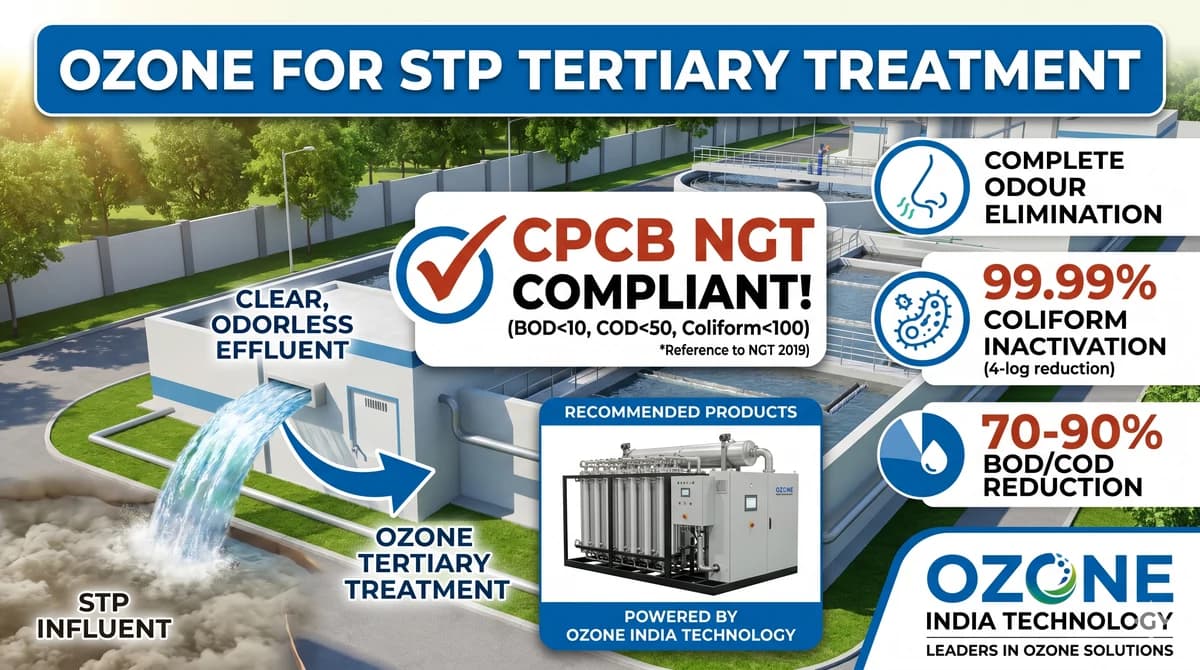
Sewage Treatment Plant (STP)
CPCB-compliant tertiary ozone disinfection — eliminating pathogens, BOD, and odour from STP effluent
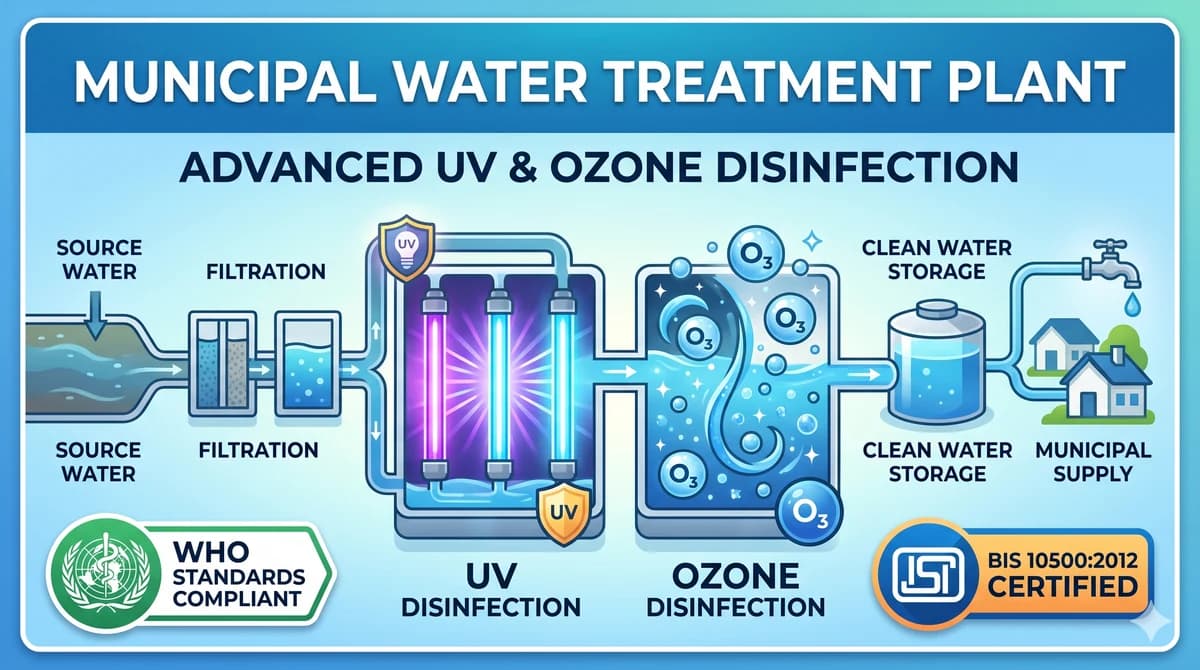
Water Treatment Plant (WTP)
Ozone and UV for superior raw water treatment — iron, manganese, taste, odour, and Cryptosporidium control
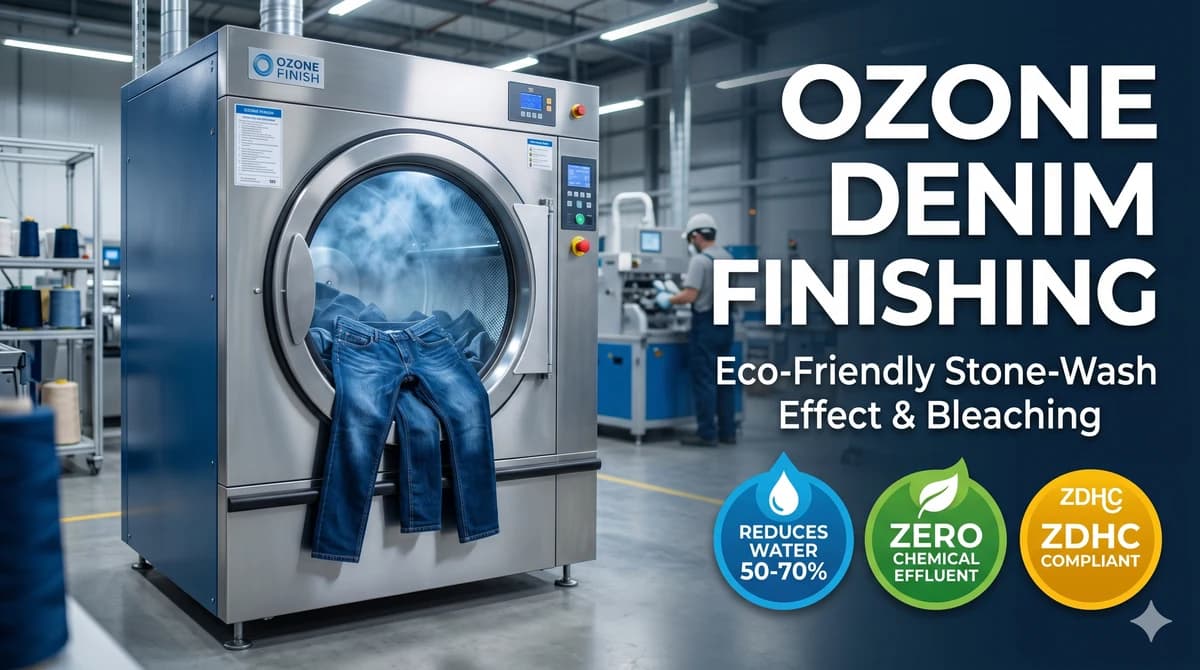
Textile and Denim Finishing
Ozone denim machine for chemical-free stone-wash effects — 70% water saving, zero pumice stone